
Rapid Tooling: How to Go from Prototype to Low Volume Production
Rapid tooling is the bridge between a prototype and mass production. It gives you a real production mold — usually aluminium or a soft tool — in days rather than months, so you can mould parts in the final material and the final shape without paying for a hardened steel tool. If your prototype is validated and you need 50, 500 or a few thousand parts to sell, test or assemble, rapid tooling is usually the fastest route from design freeze to a sellable product.
What Is Rapid Tooling?
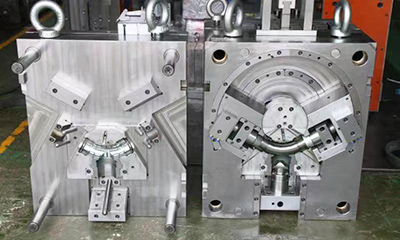
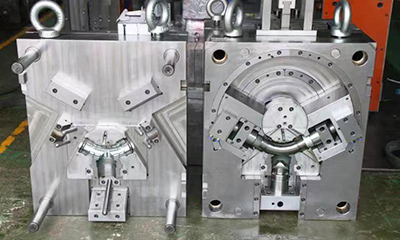
Rapid tooling — also called rapid prototype tooling, rapid prototyping tooling or short run tooling — is the process of building a production-capable mold quickly and at low cost, so that parts can be made in the real production material well before a full steel tool is justified. Instead of cutting a hardened steel block over six to twelve weeks, rapid tooling uses aluminium, soft steel, silicone or resin to produce a mold that can survive hundreds to a few thousand shots.
The key point is that rapid tooling produces real parts, not prototypes. A CNC machined prototype tells you whether the geometry works; a rapid tooled part tells you whether the product sells, assembles on the line and passes inspection. That is why rapid tooling is used so often for bridge production — the batch you ship while the steel tool is still being cut.
It sits alongside our other rapid prototype services, including precision CNC machining, prototype model making and vacuum casting, but it is the only one of them that produces parts from an actual Injection Mold.
Rapid Tooling vs Conventional Hard Tooling
The decision is almost always about volume and timing rather than quality. A rapid tool makes perfectly usable parts — it simply wears out sooner.
| Aspect | Rapid tooling (soft / aluminium) | Conventional hard tooling (steel) |
|---|---|---|
| Mold material | Aluminium, soft steel, silicone, resin | Hardened steel |
| Lead time | Days to a few weeks | Typically 6 to 12 weeks |
| Tool life | Hundreds to a few thousand shots | 100,000+ shots |
| Upfront cost | Low | High |
| Design changes | Cheap and fast to make | Expensive, sometimes requires a new tool |
| Best for | Design validation, bridge production, market testing, pre-launch samples | Mass production of a frozen design |
In short: soft tooling vs hard tooling is not a quality trade-off, it is a volume trade-off. Below roughly a few thousand parts, the amortised cost of a steel tool is still higher than the part price penalty of a rapid tool — and you get to market months earlier.
Which Rapid Tooling Process Fits Your Project?
There is no single rapid tooling process. The right manufacturing tooling choice depends on your volume, your material and how close the design is to being frozen.
Bridge tooling
Bridge tooling is a production mold built specifically to cover the gap between prototyping and mass production. It is designed from the start as a temporary tool: it will make the parts you need to launch, but it is not expected to run for years. Bridge tooling is the most common form of rapid production tooling because it lets a brand ship product while the steel tool is still in the machine shop — you are not waiting for production tooling to start earning.
Aluminium tooling
Aluminium is the workhorse material for rapid tooling. It machines three to four times faster than steel, conducts heat well (which shortens cycle time), and costs far less. An aluminium tool typically handles a few thousand shots before wear becomes visible. Because aluminium is soft, it is also easy to modify: if the design changes after the first shots, we can weld or re-machine the cavity rather than starting again. This is the process most people mean when they search for aluminium rapid tooling or aluminium tooling.
Soft tooling for Injection Molding
Soft tooling covers the lower end of the range: silicone molds, cast resin tools and other non-metallic cavities. Soft tooling for injection molding is usually chosen for a few dozen to a few hundred parts, or when the geometry is so complex that machining a metal cavity would be slow and expensive. It is the cheapest way to get parts in production-like material, and it is the natural next step after rapid prototype casting.
Polyurethane soft tooling
Polyurethane soft tooling uses cast polyurethane rather than silicone as the mold material. It is tougher and more abrasion-resistant than silicone, so it survives more shots, and it reproduces fine surface detail accurately. It is a good fit for textured parts, low-volume production of elastomer-like components, and jigs or fixtures that need a compliant surface.
3D printed tooling and indirect rapid tooling
Additive manufacturing has moved into the tool room. 3D printed tooling is used for mold inserts, conformal cooling channels that cannot be drilled, and prototype cavities for very low volumes. Where the printed insert is not strong enough to be the mold itself, it is used as a pattern to cast the tool — that is indirect rapid tooling, and it is how complex internal geometry is transferred into a production cavity.
Materials and Tolerances for Short Run Tooling
A rapid tool runs the same pellets as a steel tool. That means you can mould ABS, PC, PC/ABS, PP, PA (nylon), POM, PMMA, TPU and glass-filled grades in a short run tool — the part behaves like the production part because it is the production material.
Tolerances follow the same logic as conventional injection molding: dimensions are governed by the mold, not by the tool material. A well-built aluminium rapid tool holds general tolerances in the ±0.05 to ±0.10 mm range for typical part sizes, with tighter control possible on specific critical features if they are called out on the drawing. If a dimension has to mate with another part, mark it on the 2D drawing and we will confirm what the tool can hold before cutting metal.
Surface finish is set by the cavity. A polished cavity produces a glossy part, an EDM or bead-blasted cavity produces a matte or textured one. For cosmetic parts, tell us the target finish early — reproducing a texture after the tool is cut is far more expensive than cutting it in. See our materials and surface treatment page for the finishes we can apply.
How Long Does Rapid Tooling Take, and What Does It Cost?
Two variables drive both the schedule and the price: part size and part complexity. A small, simple part with a single cavity can be tooled and running in a matter of days. A large part with multiple side actions, a fine texture or a family of cavities takes longer.
The cost structure is straightforward. You pay once for the tool, then a per-part price that falls as volume rises. The comparison to steel is not "cheaper" but "cheaper now": a rapid tool costs a fraction of a steel tool upfront, which is why it makes sense when you do not yet know whether the product will sell. If the product takes off, the same CAD data is used to cut the steel tool later, and the rapid tool becomes the backup or the spare.
Every project starts with a DFM review. Before any metal is cut, we check wall thickness, draft angle, gate location, ejector placement and any feature that would cause a short shot, sink mark or warp — and we send you that report so you can fix the design while it is still free to fix. See our injection mold service for how that review fits into the wider tooling workflow.
When Should You Choose Rapid Tooling?
Rapid tooling is usually the right answer when:
- Your prototype is validated and you need production parts now, not in three months.
- Your volume sits between roughly 100 and a few thousand parts — too many for casting or CNC, too few to amortise a steel tool.
- You want to test the market, a retail listing or a crowdfunding campaign before committing to full tooling.
- The design may still change, and you would rather modify a cheap tool than scrap an expensive one.
- You need a bridge batch to cover the lead time of a steel tool that is already on order.
- You need parts for certification, field trials or trade-show samples in the final material.
It is usually the wrong answer when you already know you need tens of thousands of parts, when the part must survive aggressive chemical or high-temperature service, or when a textured cosmetic surface has to be identical across a very long run — in those cases a hardened production mold is the correct investment.
Rapid Tooling in China: What to Check Before You Order
Most rapid tooling China sourcing decisions come down to four things that matter more than the headline price — and they are the same four things whether you are buying one bridge tool or a whole family of molds.
- A DFM report before the tool is cut. If a supplier quotes without reviewing the design, they are guessing — and you will pay for the guess in rework.
- In-house machining. A supplier who machines their own cavities controls the schedule. One who subcontracts it does not.
- First article inspection. Ask for a dimensional report against your drawing on the first shots, not just photos.
- A clear statement of expected tool life. A supplier who will not put a number on shots is a supplier who will not stand behind the tool.
We machine our own molds and run our own presses, so the same team that reviews your design also cuts the cavity and shoots the first parts. That is the main reason our rapid tooling lead times hold.
Frequently Asked Questions
What is rapid tooling in simple terms?
It is a production mold built fast and cheap — usually from aluminium or a soft material — so you can make real injection-moulded parts before a steel tool is justified. It trades tool life for speed and cost.
How many parts can a rapid tool produce?
It depends on the material and the part. Aluminium tools commonly run a few thousand shots; soft tools run hundreds. If you need more, we cut additional cavities or move the same design to a steel tool.
Is rapid tooling the same as rapid prototyping and tooling?
Rapid prototyping makes samples to validate the design; rapid tooling makes the mold to produce sellable parts. Most projects do both, in that order — which is why the two phrases so often appear together.
Can I use a rapid tool for production parts?
Yes. Parts from a rapid tool are real production parts — same material, same process. They are often sold as limited editions or bridge production while the steel tool is being made.
What do you need from me to quote?
A 3D file in STEP, STP, IGES or X_T format, the annual volume you expect, the material, the surface finish, and any critical dimensions. Send those and we will return a DFM report, lead time and price.
Conclusion
Rapid tooling is the fastest way to turn a validated prototype into sellable product. It uses the same materials and the same process as mass production, but it removes the cost and the wait of a hardened steel tool — which is exactly what you need when the volume is uncertain and the market will not wait. Whether your project calls for bridge tooling, aluminium tooling, soft tooling or a printed insert, the decision should follow the volume and the deadline, not the price of the mold alone. Send us your 3D file and the quantity you are planning, and our engineering team will tell you within 24 hours which rapid tooling route fits your project, what it will cost and how fast it can run. Contact us to start your project.