xujinglian@dademin.com
+86 136 3271 4308
DDM Precision Model MFT Co., Limited

Menu

×

Prototype Model


1785204216859763

3D Printing Prototype Model

1785204247123868

CNC Machining Prototype Model

1785204263974346

Vacuum Casting Prototype Model

What Is a Prototype Model

Almost all newly developed or finished designed products require prototype models. Prototyping is the first stage to verify product feasibility. It is the most direct and effective way to identify defects, flaws and design drawbacks of products. Targeted optimizations can be carried out to fix these issues until no imperfections can be found from individual prototype samples. Even at this stage, small-batch trial production is generally required to discover hidden problems that only emerge during mass production for further improvement.

Product designs are rarely perfect at the initial stage, and some are even unworkable. If defective products go straight into mass production, all finished goods will be scrapped, causing massive waste of labor, materials and time. In contrast, prototypes are produced in small quantities with short manufacturing cycles and low resource consumption. They help designers quickly detect and revise design flaws, providing sufficient data support for product finalization and mass manufacturing.

With increasingly fierce market competition and the booming development of the industrial design industry, enterprises attach great importance to both industrial design and prototype manufacturing. Prototype models are essential to verify product development quality and practical performance. Against this backdrop, the prototyping industry has gradually separated from the industrial design workflow and evolved into an independent thriving sector. A large number of professional prototyping manufacturers have emerged, while large enterprises and industrial design studios have also set up their in-house prototyping departments.
3D Printing Services
Stereolithography - SLA

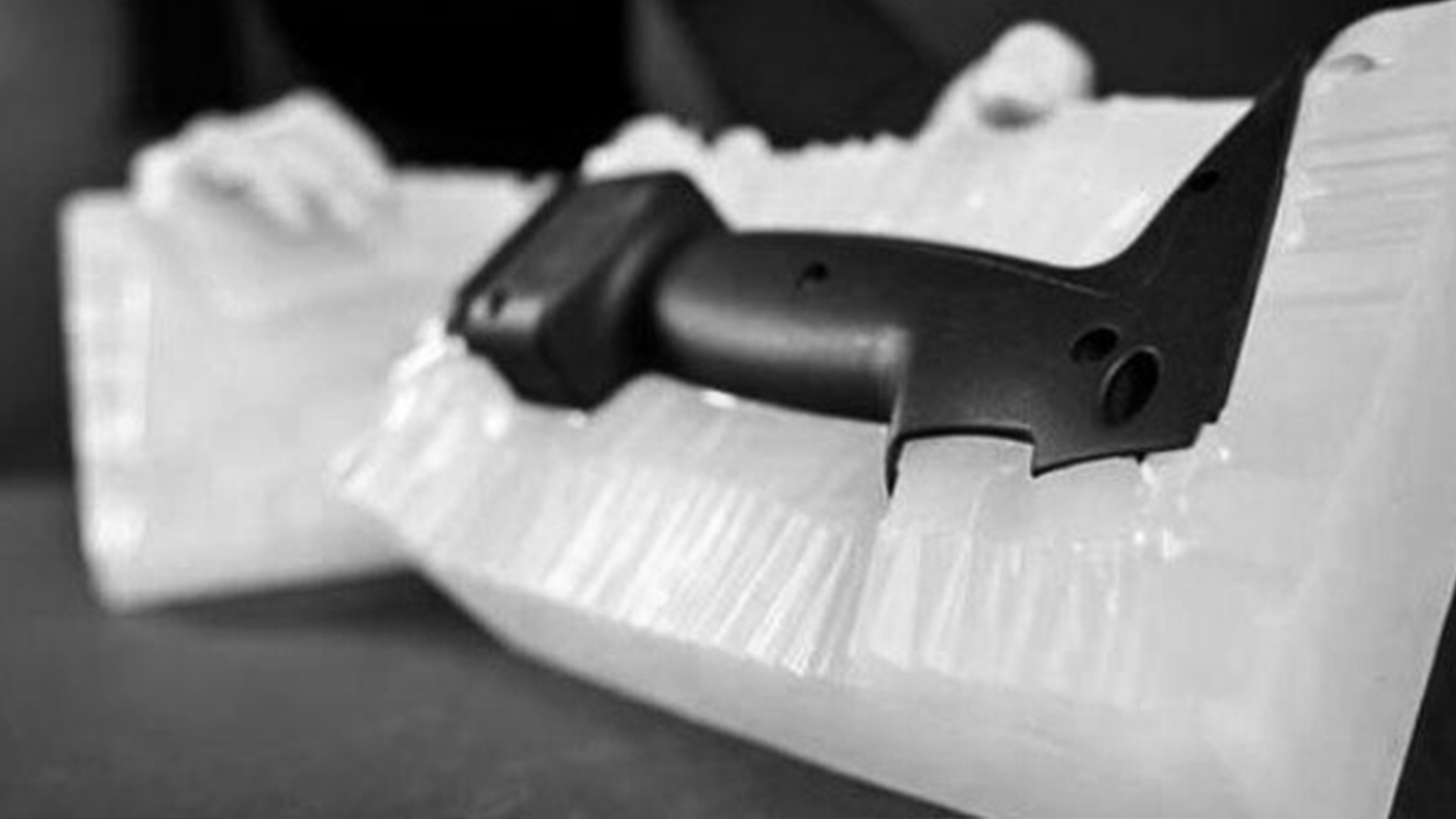
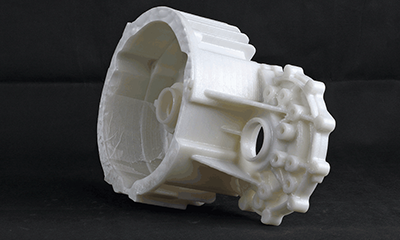
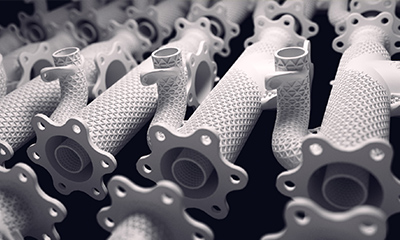
SLA (StereoLithography Apparatus) is a vat photopolymerization technology applied in resin 3D printers. It adopts liquid photosensitive thermosetting polymer. A UV laser beam selectively cures photopolymer resin layer by layer to fabricate physical models.
The liquid photopolymer resin is shaped into target 3D geometry. This technology utilizes low-power laser, which converts liquid resin into solid plastic parts layer by layer.

Selective Laser Sintering - SLS

This process sinters raw powder materials, generating large amounts of dust that contaminates the workspace. Thus, SLS equipment is usually placed in an independent workshop. Printed parts are solid blocks and cannot be directly assembled for performance testing. Besides, long-term storage may cause part deformation due to internal stress release. Supports are required for deformable areas, and the surface finish is moderate. It features high production efficiency yet high operating and equipment costs with power consumption above 8000 watts. The material utilization rate reaches nearly 100%.

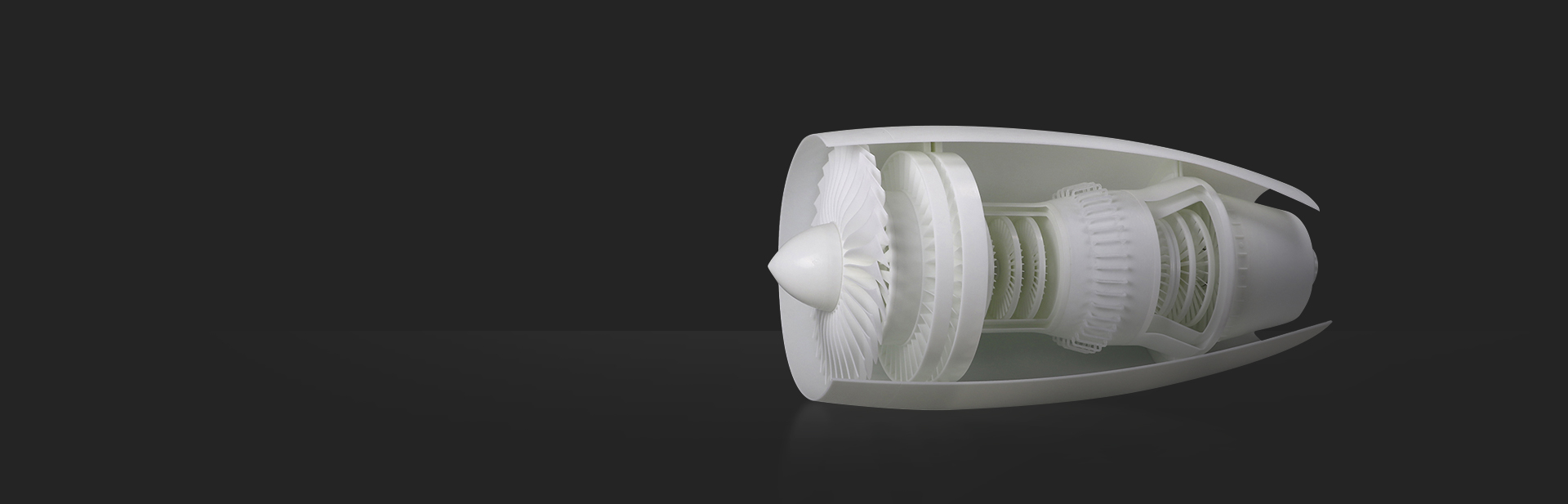
Premium 3D Printing Cases
CNC Machining Prototype
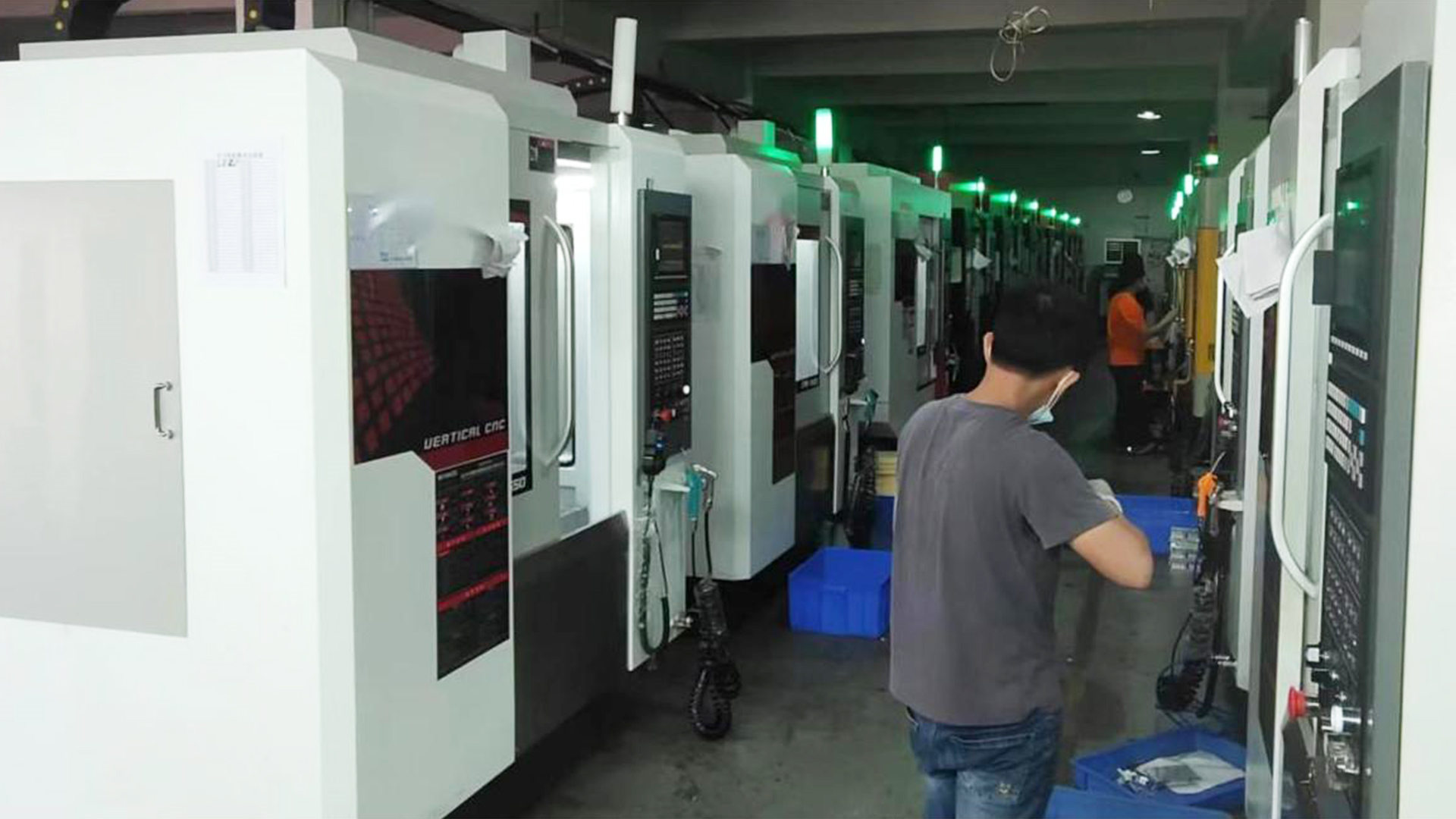
CNC prototypes are manufactured via computer numerical control machining technology using CNC machine tools. They deliver high precision and accurately reproduce the exact dimensions shown in design drawings. With fast production speed, they help customers save much time on product development.
Advantages of CNC Machining Prototypes

Advantages of CNC Machining Prototypes

  • They fully meet customers' design verification requirements in appearance, assembly and functional testing, and produce physical parts that truly reflect customers' design intentions.
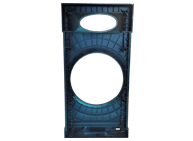
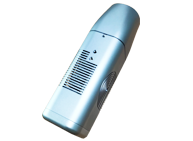
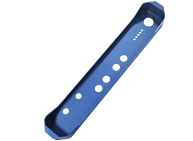
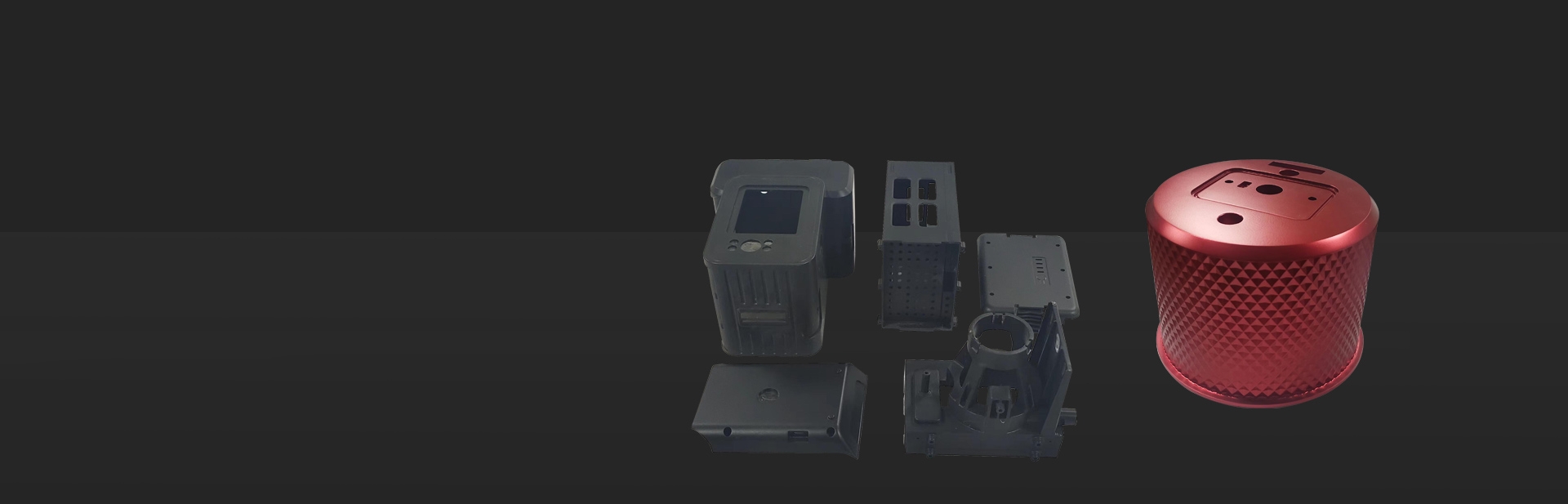
CNC Machining Prototype Cases
  • Transparent PC Structural Prototype


  • Black ABS Prototype


  • Aluminum Alloy Prototype


  • UV High-Gloss Finished Prototype


  • Anodized Aluminum Alloy Parts Prototype


  • Hydro Transfer Printing Plastic Prototype

  • Overmolded Prototype


  • High-Polish Aluminum Alloy Prototype


Instant Quote
Vacuum Casting
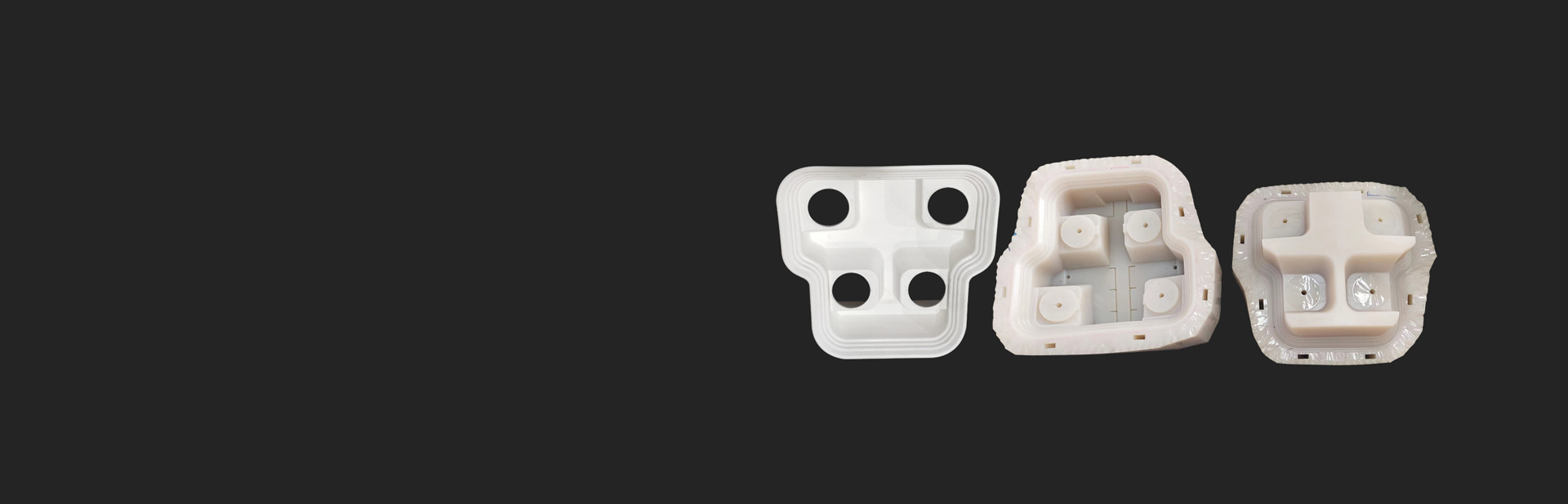
Vacuum casting uses an original master model to produce silicone molds under vacuum. Then materials such as PU, silicone, nylon and ABS are poured under vacuum to replicate copies identical to the master model with a reproduction accuracy of 99.8%. Compared with other prototyping processes, vacuum casting boasts outstanding advantages: no need for formal mold development, low processing cost, short lead time and high simulation fidelity, making it perfect for small-batch production. It is widely favored by high-tech industries.
Our Manufacturing Processes
Vacuum Casting
Low-Pressure RIM Molding

Advantages of Vacuum Casting

  • 01. Low cost for silicone molds

  • 02. Fast delivery lead time

  • 03. Wide range of material options

  • 04. High precision with fine details

  • 05. Superior surface smoothness

Advantages of Vacuum Casting

  • 01. Low cost for silicone molds

  • 02. Fast delivery lead time

  • 03. Wide range of material options

  • 04. High precision with fine details

  • 05. Superior surface smoothness
Application Fields of Prototype Models

Automotive Industry

Jewelry & Ornaments

Artificial Intelligence

Medical & Healthcare

Electronic Products

Aerospace

🏠 Home 📦 Products 📞 Contact
8613632714308
xujinglian@dademin.com
Back to top
Get A Quote
  • Please enter your name.
  • Please enter your E-mail.
  • Please enter your Phone or WhatsApp.
  • Please refresh this page and enter again
    Please fill in your requirements in detail so that we can provide a professional quotation.