
Sheet Metal Fabrication Cost: What Drives the Price and How to Reduce It
Sheet Metal Fabrication looks simple from the outside — cut, bend, weld, finish — but the price of two identical-looking brackets can differ by a factor of three. The difference is almost never the hourly rate. It is the material grade, the number of operations, the tolerance, the finish and, above all, the quantity. Understanding what actually drives the cost is the fastest way to make a sheet metal part cheaper without making it worse.
This guide breaks down the real cost drivers behind sheet metal fabrication, shows how laser cutting and stamping compare at different volumes, and lists the changes that cut cost the most.
What Determines the Cost of a Sheet Metal Part?
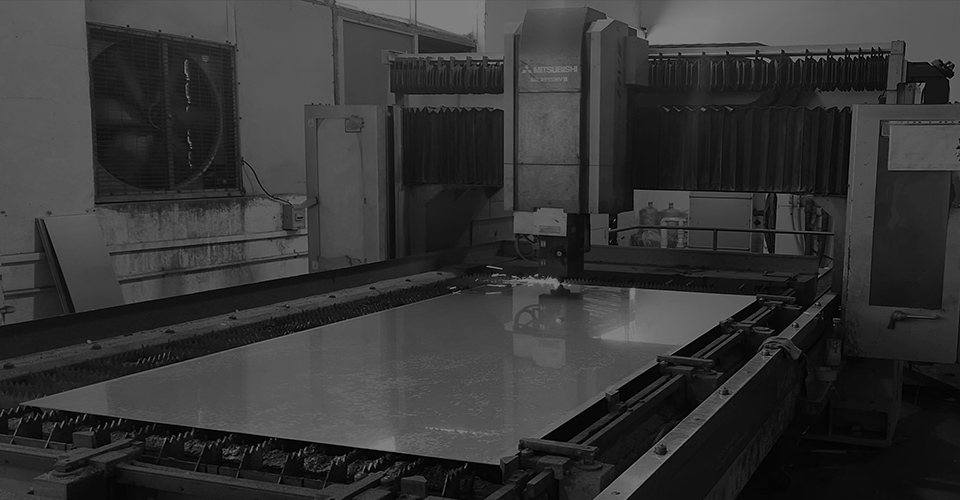
Every sheet metal quotation is built from five blocks: material, cutting, forming, finishing and setup. Setup is spread across the batch, which is why the same part costs far less per unit at 500 pieces than at 5.
| Cost driver | What it covers | How to reduce it |
|---|---|---|
| Material | Sheet grade, thickness, waste from nesting | Choose a common grade; nest parts to cut waste |
| Cutting | Laser, plasma or punching time per part | Avoid very small holes and long cut paths |
| Forming | Number of bends, tooling, handling | Fewer bends; keep bend radii standard |
| Finishing | Powder coating, plating, painting, printing | Finish only the faces that are seen |
| Quantity & setup | Programming, tooling, first article inspection | Order a realistic batch; keep designs stable |
Notice that four of the five drivers are decided on the drawing, before a single sheet is cut. That is the single most useful thing to know about sheet metal fabrication cost: it is designed in, not negotiated afterwards.
How Much Does Sheet Metal Fabrication Cost?
There is no single price per part, because a 20 mm bracket and a 1,200 mm enclosure are both "sheet metal". What can be compared is the shape of the cost curve. For a typical laser cut and bent part in 1.5 mm cold rolled steel with a powder coat finish, the unit price falls steeply from a single prototype to about 100 pieces, flattens between 100 and 1,000, and only falls again when the volume justifies dedicated tooling.
That is why a prototype bracket can cost far more per piece than a production bracket. The material in it is a few cents; the programming, setup and first article inspection are the same whether you make one or one thousand.
Laser Cutting vs Stamping: Which Is Cheaper?
This is the most common cost question in sheet metal, and the answer is a volume threshold rather than a preference. Laser cutting carries no tooling cost, so it wins on small batches and on parts that are still being revised. Stamping carries a tooling cost but produces parts in seconds, so it wins once the volume is high enough to absorb the tool.
For a simple bracket, the crossover is usually somewhere between 1,000 and 5,000 pieces, depending on geometry and material. Below it, laser cut and bent parts are cheaper; above it, metal stamping starts to pay back the tooling and the unit price drops sharply. The practical approach is to run the first batches by laser, prove the design, and move to stamping only when the volume is certain.
How to Reduce Sheet Metal Fabrication Cost
Most of the savings are available at the design stage. These changes cost nothing and are worth more than any negotiation:
- Reduce the number of bends. Each bend is a separate operation, a separate setup and a place where tolerance stacks up.
- Keep bend radii standard. A radius that matches an existing tool avoids a custom tool and a slower setup.
- Avoid very small holes. Holes smaller than the sheet thickness slow the laser and often need a second process.
- Nest parts efficiently. Material waste is charged back to you; a layout that shares edges between parts saves real money.
- Choose a common material grade. 1.5 mm and 2 mm cold rolled steel and 5052 aluminium are stock items; an unusual grade is a special order.
- Finish only the visible faces. Powder coating the inside of an enclosure that nobody sees is pure cost.
- Order a realistic batch. Splitting an order into three small runs triples the setup cost.
- Freeze the design before production. Every revision after tooling or programming restarts the setup.
How Material Choice Changes the Price
Material is the largest single line on most sheet metal quotations, and the gap between grades is wider than most designers expect. Cold rolled steel is the baseline. Galvanised steel adds a coating step. Stainless steel 304 can cost three to four times cold rolled steel per kilogram, and 316 more again. Aluminium sits between steel and stainless, and its lower weight matters if the part moves or ships.
Thickness compounds the effect. Going from 1.5 mm to 2 mm adds roughly a third to the material cost, slows the cut and changes the bend setup. Specifying 316 stainless for an indoor bracket, or 3 mm steel where 2 mm would carry the load, is the most common way to double a price without improving the product.
What a Sheet Metal Fabrication Quote Should Show You
A useful sheet metal fabrication price is not one number. It is a breakdown: material grade and thickness, cutting time, the number of sheet metal bending operations, the finishing specification and the setup. If a quotation is a single figure with no breakdown, you cannot tell whether the supplier has understood the part — and you cannot compare two quotes fairly.
For custom sheet metal parts, the sheet metal fabrication quote should also confirm the gauge, the tolerances, the finish and the inspection that will be carried out. On a sheet metal enclosure, the difference between 1.2 mm and 1.5 mm steel is invisible on a drawing review but obvious in the price and in the rigidity of the finished box. Ask the quote to name these items, and the cheapest number stops being the most attractive one.
Why the Cheapest Quote Is Not the Lowest Cost
A quotation that is 20% lower than the rest is usually lower for a reason that shows up later: a thinner gauge than specified, a bend tolerance that will not assemble, a finish that fails in service, or a supplier who has not costed the inspection. On a sheet metal part the failure cost is rarely the part itself — it is the assembly line that stops, or the batch that has to be reworked and re-shipped.
The useful comparison is not price per part but price per accepted part, delivered on time. That is why we quote with the material grade, the tolerance and the finish written down, and why we send an inspection report with the batch.
Frequently Asked Questions
How much does sheet metal fabrication cost?
It depends on material, size, number of operations, finish and quantity. A simple laser cut and bent bracket in 1.5 mm steel is inexpensive per piece at a few hundred units; a large welded enclosure with a powder coat finish is a different order of magnitude. Send a drawing and we will return an itemised quotation.
Is laser cutting or stamping cheaper?
Laser cutting is cheaper for prototypes and small batches because there is no tooling cost. Stamping becomes cheaper once the volume is high enough to absorb the tool — often somewhere between 1,000 and 5,000 pieces.
Why is my sheet metal prototype so expensive?
Because setup, programming and inspection are spread over a very small quantity. The material cost is a small part of a one-off; the labour and machine setup are not.
What is the cheapest way to get sheet metal parts?
Design for manufacture first — fewer bends, standard radii, common material, finish only what is seen — then order a realistic batch. Design changes usually save more than price negotiation.
Do you charge for tooling?
No. Laser cut and bent parts need no tooling, so you can start with a single unit and scale up. Tooling only applies if the volume justifies a stamping die.
Conclusion
Sheet metal fabrication cost is decided mostly on the drawing. Material grade, number of bends, hole sizes, nesting, finish and batch size account for more of the price than any hourly rate, and all of them are under the designer's control. Cut the operations, standardise the material, finish only what is seen and order a realistic quantity, and the price falls without any loss of quality. Send us your drawing or 3D file and our engineers will review the design, flag the cost drivers and return an itemised sheet metal fabrication quotation within 24 hours. Contact us to start your project.